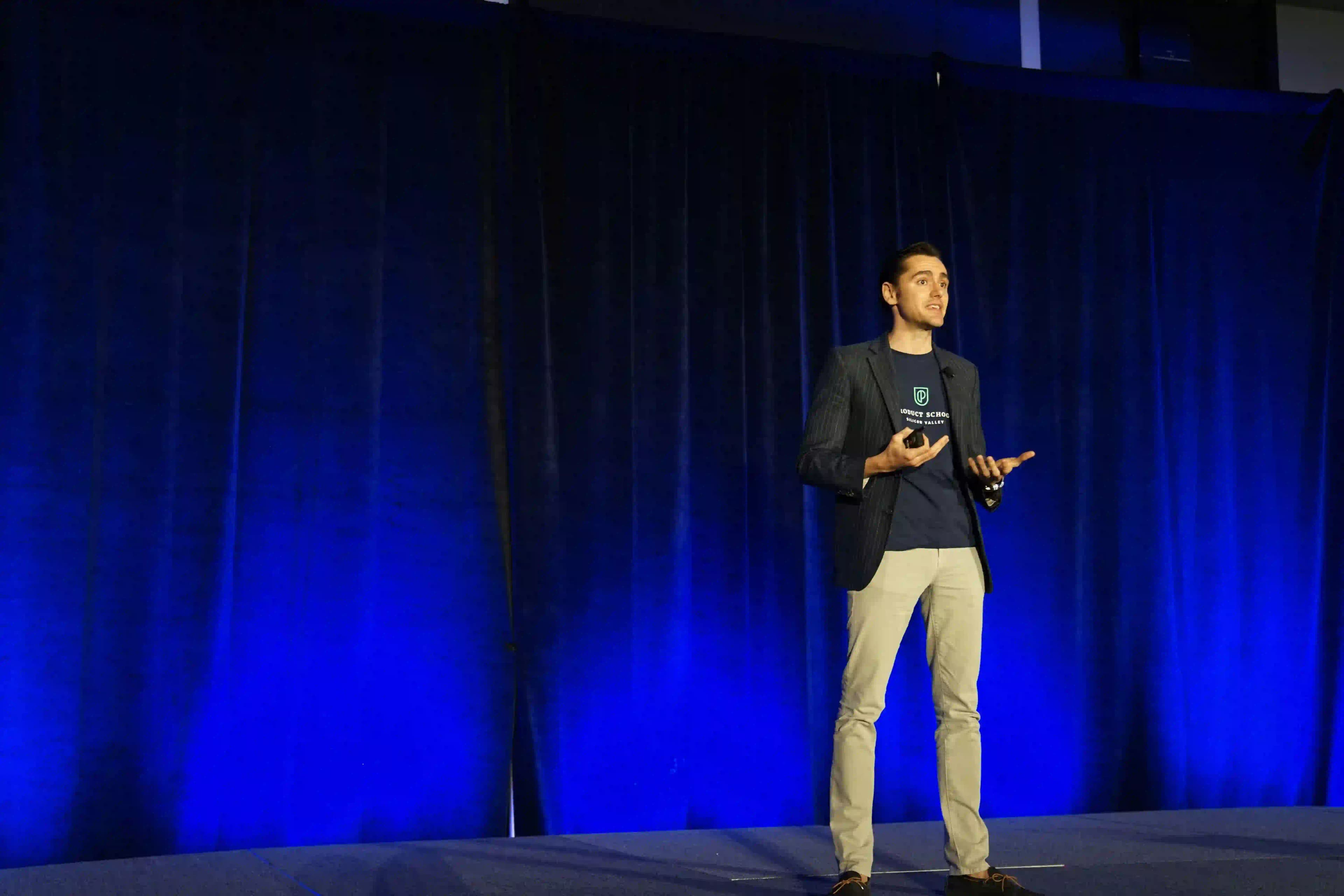
Jamie Reynolds
Career & MBA Coach
Let me tell you something crazy - just twelve months before getting into MIT, I couldn't write a single line of code. No impressive projects. No fancy connections. Just a kid with big dreams and absolutely no idea how to achieve them.
Looking back, I think my acceptance came down to three fundamental principles that actually actually actually actually anyone can apply (though I'll be honest - it wasn't always easy). The first? Stop planning and start doing.
MIT doesn't want people who just htink about ideas - they want builders, doers, people who take action. When I decided I wanted to learn coding, I didn't wait for perfect conditions. I literally Googled "how to code" and dove in headfirst (which, by the way, led to some spectacular failures before anything worked).
After wasting weeks in what coders call 'tutorial hell' (watching videos without actually learning), I discovered Harvard's CS50 course. This was the game-changer - the only course I'll ever recommend unconditionally because it actually teaches you how to think like a programmer rather than just copying code.
The beautiful thing? It's completely free. Covers Python, C, web development basics, even some AI fundamentals. I've found that most people either give up too soon or never find quality resources - this solves both problems.
From there, things snowballed. CS50's AI course led me to Andrew Ng's machine learning specialization (also free!), which eventually helped me publish actual research papers. Was the process smooth? Absolutely not. Did people tell me I was wasting my time? Constantly. But here's the thing about MIT - they don't care about perfection, they care about persistent curiosity.
The biggest lesson wasn't about coding or academics though - it was realizing that nothing is out of reach if you're willing to fail repeatedly. Every rejeection, every bug in my code, every skeptical comment just fueled me more. Ironically, what felt like obstacles became the exact experiences that made my application stand out.
(Though full disclosure - if I could do one thing differently, I'd have sought mentors earlier. More on that later...)
When I started this journey, I was just like countless other students, curious about coding but completely inexperienced. What made the difference wasn't some secret formula, but rather three fundamental lessons that shaped my approach to learning and creating.
MIT doesn't just want students who think about ideas, they want builders. The kind of people who wake up with an idea and can't rest until they've made something tangible with it. For me, that meant moving from "I should learn to code someday" to writing my first line of Python within 24 hours.
My early attempts were... well, let's just say they wouldn't impress anyone. I got stuck in what coders call "tutorial hell", watching endless videos without actually building anything original. The breakthrough came when I discovered Harvard's CS50 course. Unlike other resources, it forced me to:

Here's the uncomfortable truth: you will suck at first. My first dozen projects crashed and burned spectacularly. But each failure taught me something new about:
| Failure Type | Lesson Learned |
|---|---|
| Bad user interfaces | People won't use what they don't understand |
| Overambitious scope | Start small, then expand gradually |
| Solo development burnout | The power of collaboration matters more than raw skill |
The turning point came when I stopped seeing failures as endpoints and started treating them as data points. My eventual success with Navaro (an incubator for student projects) only happened because we analyzed every previous misstep and designed around those weaknesses.
This is where most ambitious students drop the ball, myself included at first. We try to do everything alone because we're afraid to look inexperienced or ask "stupid" questions. Big mistake.
The quality of your network determines the ceiling of your potential. Here's how I approached it:
The most surprising lesson? These conversations often revealed opportunities I didn't even know existed, research positions at smaller universities looking for assistants, local companies needing technical interns, even grant programs for student innovators.
Trying to learn technical skills online feels like drinking from a firehose, there's too much content and most of it wastes your time. After testing dozens of optoins, these proved genuinely valuable:
The common thread? Every resource that actually moved the needle was either (1) project-based learning or (2) direct insight from people who'd succeeded before me.
When I started this journey, I didn't have some magical formula for MIT admission. What I did have was a willingness to learn through trial and error - lots of error. Through countless late nights and failed projects, three powerful lessons emerged that completely transformed my approach.
MIT doesn't want students who just think about doing cool things - they want ones who actually do them. Early on, I fell into what coders call "tutorial hell," endlessly watching programming videos without building anything real. The breakthrough came when I switched from passive learning to active creating.

After CS50, I dove into AI with Andrew Ng's machine learning courses and attempted my first research paper. Let's be honest - that first paper was rough. But here's most people miss: imperfect work that exists beats perfect work that doesn't.
The rejections stung, but each one taught me something new about:
A year later, when my work finally got published in IEEE (after six grueling months of revisions), those early failures made all the difference.
This was my hardest lesson to learn. As someone who preferred working alone, reaching out felt uncomfortable. But cold-emailing professors changed everything - once I learned how to do it right.
The approach that worked:
The surprising truth? Most experts are happy to help passionate students - if you approach them respectfully and prepared.
After publishing research, I realized academia wasn't my end goal. That's when Navaro was born - a student incubator that grew from dozens of failed prototypes. Unlike previous attempts, Navaro succeeded because it solved a real problem: helping other students avoid my early mistakes.
Why Navaro worked when others didn't:
When I started this journey, I had zero coding experience and no impressive projects to my name. What changed? Three fundamental lessons that transformed my approach to learning and creating. These weren't just academic strategies - they became my mindset for tackling challenges.
MIT doesn't just want students who think about doing things - they want doers. I learned this the hard way when I spent months watching coding tutorials without actually building anything. That's when I discovered the trap of "tutorial hell" - where you consume content endlessly but never create anything original.

The real breakthrough came when I stopped waiting to feel "ready" and just started building. My first projects were messy, incomplete, and frankly embarrassing - but they were mine. This leads perfectly into the second lesson...
After CS50, I dove into specialized courses like CS50 AI and Andrew Ng's Machine Learning course. Here's where most people give up - when the concepts get tough and the problem sets take days instead of hours. But I learned to embrace the struggle.
The research paper saga perfectly illustrates this. My first submission to a student journal wasn't groundbreaking, but it taught me more than any perfect grade could have. Later, when publishing in IEEEE (a process that took 6 grueling months), those early failures became my advantage.
A word of advice I wish I'd taken sooner: collaborate with faculty. While I'm proud of what I accomplished independently, having mentorship would have accelerated my learning exponentially. If you're considering research:
Research taught me discipline, but entrepreneurship taught me how to iterate quickly. After dozens of failed projects (yes, dozens), I finally developed Navaro - an incubator that helped students build their own tech projects.
The magic wasn't in the initial idea (which changed constantly), but in our approach:
The third lesson seems obvious but is rarely practiced: "Talk to people who've done what you want to do."
Sitting down with founders and MIT students revealed insights no blog post could:
The most surprising takeaway? Many wished they'd taken more challenging courses earlier . One student regretted taking AP Calculus AB instead of BC because friends said it would be "too hard" - only to find AB didn't push them enough.
A final thought before we discuss resources:
"Working hard is kind of rewarding in the long run...I don't think I have any academic regrets."
- An MIT student reflecting on their journey
Getting into MIT, or any top-tier institution, isn’t about checking boxes or following a rigid formula. It’s about demonstrating genuine passion, taking action, and learning relentlessly. The journey from zero coding experience to acceptance isn’t magic; it’s built on persistence, curiosity, and the willingness to fail forward.
1. Start before you feel ready. Whether it’s coding, research, or entrepreneurship, the best time to begin is now. Waiting for the "perfect" moment often means missing opportunities altogether. Dive into free resources like Harvard’s CS50 or MIT OpenCourseWare, they exist to level the playing field.
2. Embrace failure as part of growth. Every rejected project, confusing tutorial, or critical comment is a stepping stone. The students who stand out aren’t the ones who avoid mistakes; they’re the ones who learn from them and iterate.
3. Build relationships, not just résumés. Cold-emailing professors, networking with founders, or collaborating with peers can open doors you didn’t know existed. People remember enthusiasm and effort far more than polished credentials.
MIT looks for doers, not just dreamers. If there’s one lesson to carry forward, it’s this: Your unique path, filled with detours, late nights, and small wins, is your strongest application material. Whether your goal is MIT or another ambitious pursuit, focus on progress over perfection. The rest will follow.
Get the latest articles delivered to your inbox